(In short)
- Startup branding is positioning plus a simple visual system you can launch with and grow into.
- Spend first on positioning, a logo system, a clear website and a pitch deck that looks like the product.
- Leave big brand books and campaigns until you have traction.
Startup branding is how a new company explains what it does, why it matters and why people should trust it, in words and visuals, before it has a long track record. Done well, it makes a young company look credible to customers, investors and future hires from day one.
I'm an independent brand designer and creative director in New York with 13+ years of experience. I've built identities, websites and launch assets for startups like Frames Solutions AI, SEEK, Pickup and Blockvio, and designed the WXC+ website with Microsoft. This is the process I use.
What startup branding includes
For most early-stage companies, startup branding covers:
- Positioning: who you serve, the problem you solve and why you're different.
- Name and messaging: a name you can own and a one-line explanation of the product.
- Logo system: wordmark, symbol and app icon or favicon.
- Type and colour: a simple palette and type pairing that work in product and marketing.
- Website: a homepage that explains the product in one screen.
- Pitch deck and launch assets: deck, social templates and basic guidelines.
If you want the short version as a list, use my startup branding checklist.
Step 1: Nail your positioning
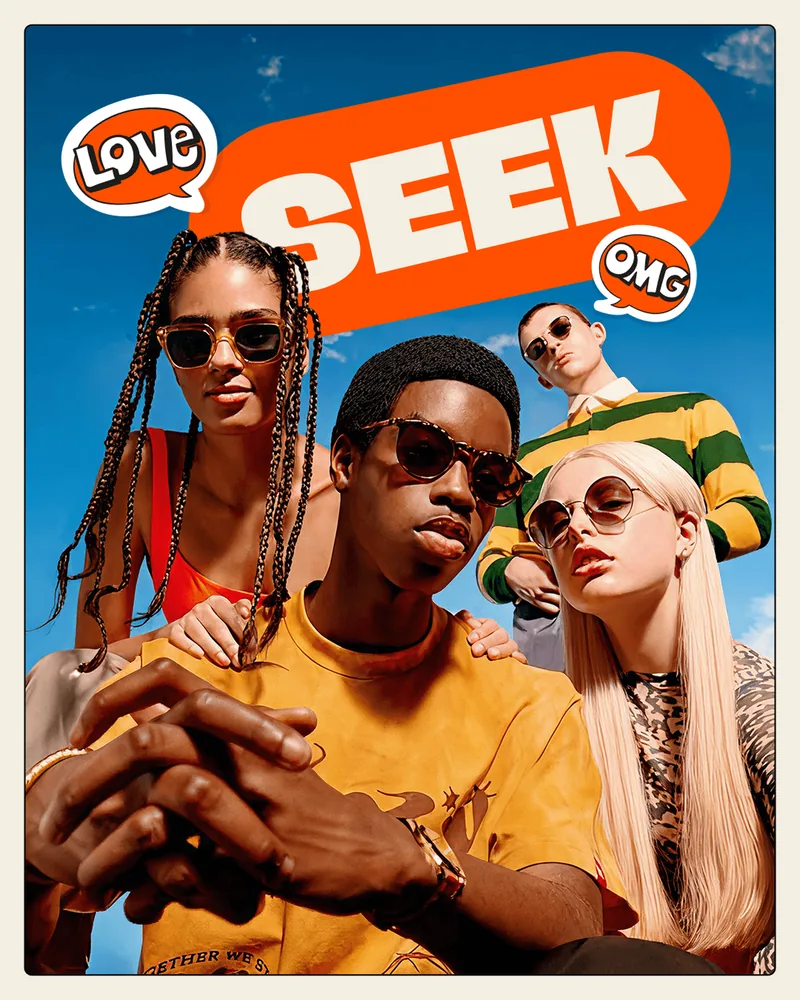
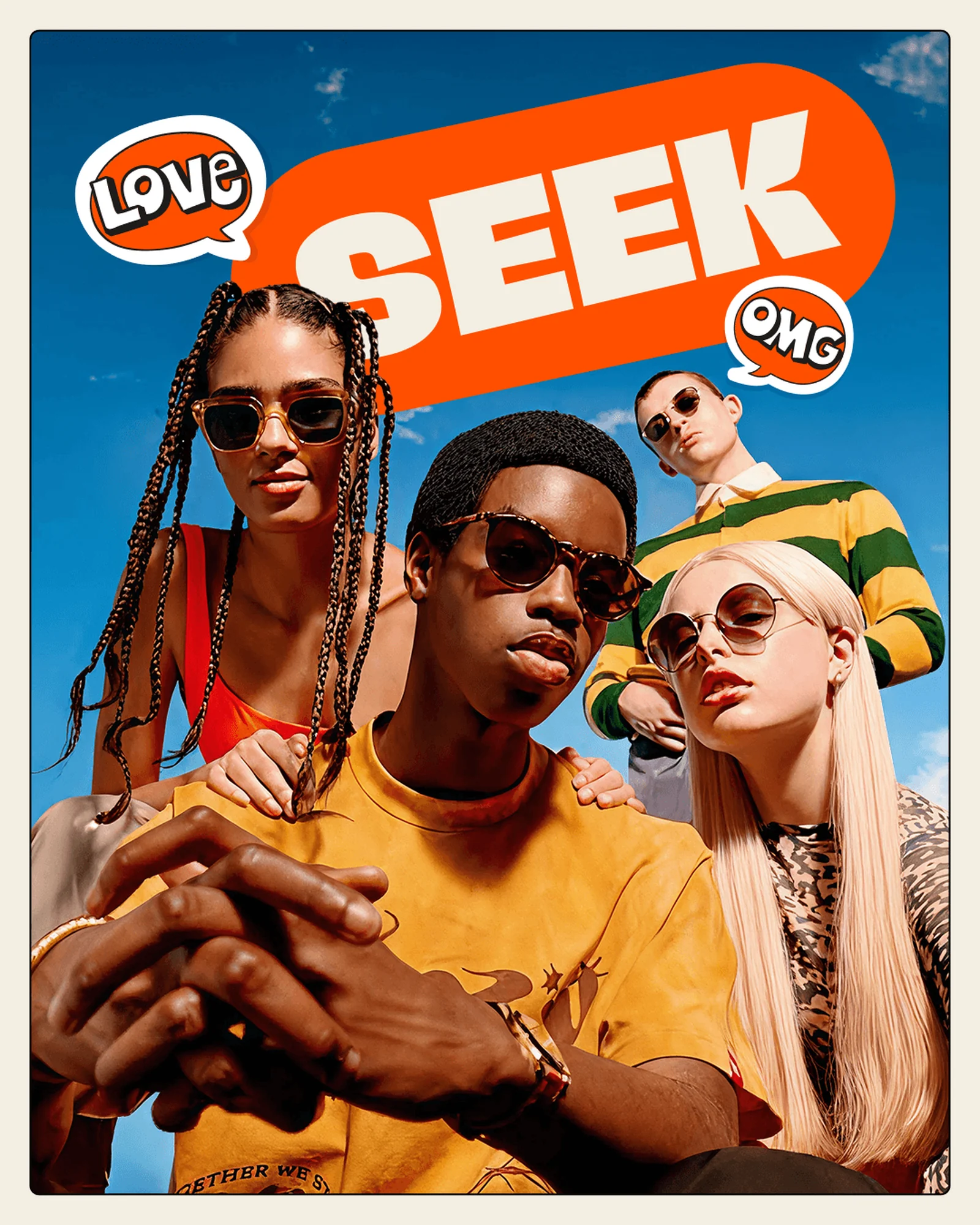
Positioning comes before design. Write one sentence that says who it's for, what it does and why it's better. If you can't say it simply, no logo will fix it. With SEEK, research and strategy workshops with the team came before any redesign, so the identity could balance an editorial feel with an approachable, community-first character.
Step 2: Pick a name you can own
Check that the name is available as a domain, on social and as a trademark in your market. Short, easy to spell and easy to say beats clever. If the name is descriptive, the visual identity will need to work harder to be distinctive.
Step 3: Design a logo system that works in product
Startups live on small screens, so your logo has to work as an app icon, favicon and social avatar, not just on a website header. Build a wordmark plus a compact symbol. For Pickup, I combined square forms with an arrow into one mark that reads clearly at app-icon size. For Blockvio, the B and a padlock became one symbol that works on the product, in the app and on the street.
Google recommends a square favicon of at least 48×48 pixels so it displays properly in search results, which is a good test for any startup symbol.
Step 4: Keep type and colour simple
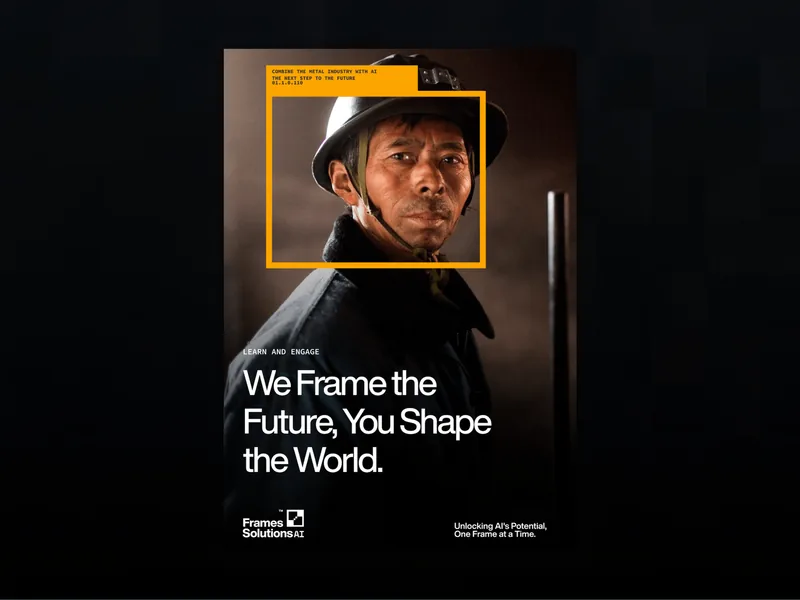
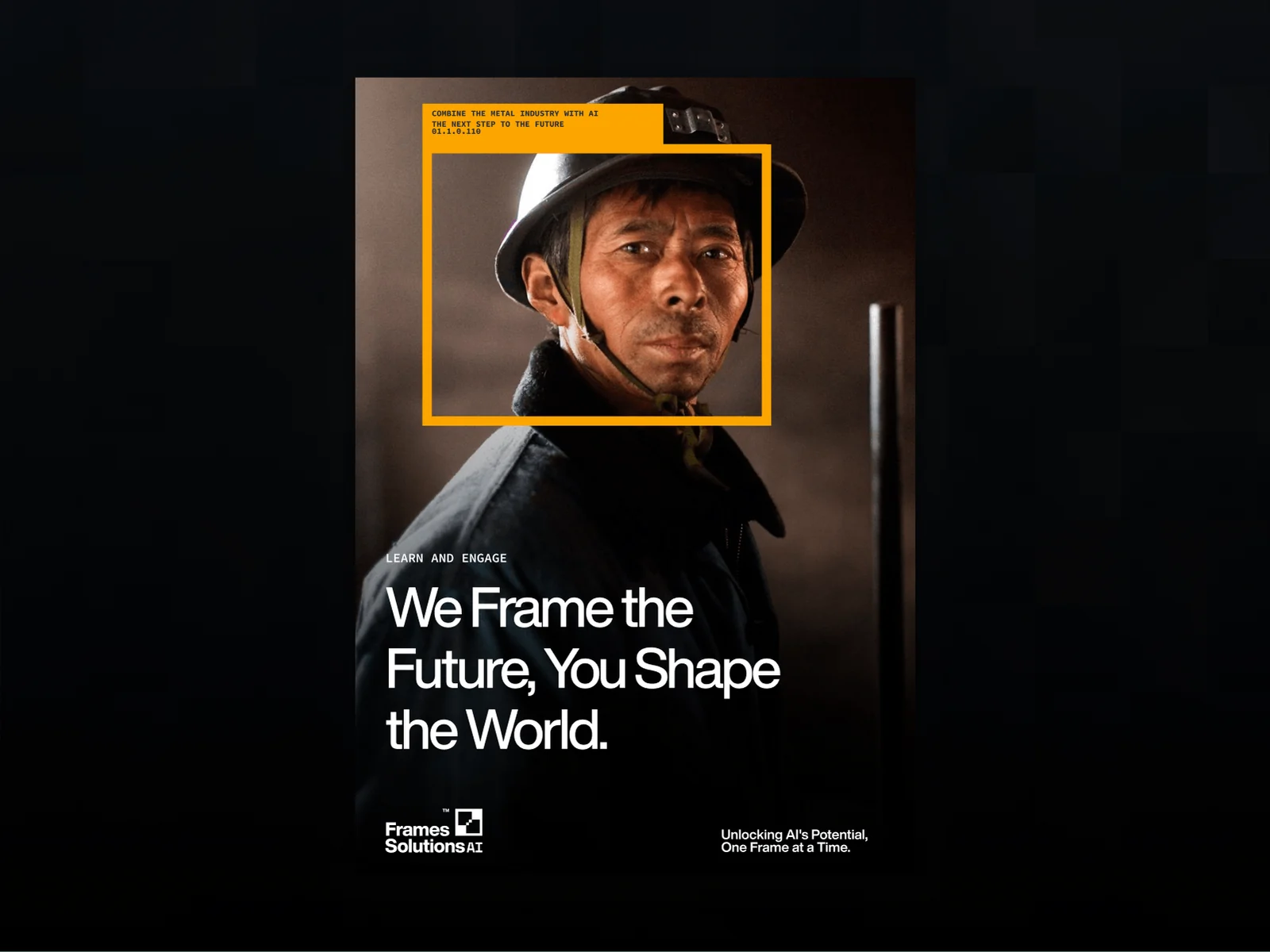
Choose one or two typefaces that work in both the product interface and marketing, and a small palette with one strong signature colour. Pickup uses a sharp lime on black, and Frames Solutions AI uses black and amber. Simple systems are faster for small teams to use and harder to break.
Step 5: Build a homepage that explains the product in one screen
Your website is usually the first serious impression for customers and investors. The first screen should say what you do, who it's for and what to do next. Everything else supports that. For Frames Solutions AI, the homepage leads with a clear line and strong portrait photography to make an AI consultancy feel human and credible.
I write about why good interfaces feel obvious in Why Good Interfaces Feel Inevitable.
Step 6: Make your pitch deck look like the product
Investors judge quality quickly. A deck with the same type, colour and image style as your product signals that the team pays attention to detail. Build a simple deck template with title, data, team and product slides so you can update it fast between rounds.
Step 7: Create a small launch kit
At launch, you need social profile assets, a few post templates, email headers and a one-page set of guidelines. That's enough. A full brand book and big campaigns can wait until you have traction and a team to use them.
Step 8: Write a simple messaging framework
Alongside the visuals, write down the words your team will repeat everywhere: a one-line description, a short paragraph, three key benefits and the proof behind each one. This framework feeds the website, the deck, investor emails, job posts and product copy, so everyone describes the company the same way.
Keep it short enough to fit on one page. If your co-founder and your first sales hire explain the product differently, customers will be confused too.
Step 9: Plan to evolve, not rebrand
Design the system so it can grow: more product screens, more channels, more people using it. A startup that builds a solid foundation early can evolve the brand instead of paying for a full rebrand a year later. My checklist lists the warning signs.
Startup branding examples from my work
- Frames Solutions AI: a square frame mark, bold wordmark and black-and-amber system for an AI consultancy, carried through the website, pitch and data slides, social posts and product screens.
- SEEK (New York): a redesign of a discovery app's identity after strategy workshops, with a heavy stacked wordmark, sticker badges and App Store screens that tell the product story fast.
- Pickup: a square-and-arrow symbol in lime and black for a mobility company, built to read clearly as an app icon.
- Blockvio (Canada): a B-and-padlock symbol for app-controlled bike locks, applied to the app, stationery and street campaigns.
- Microsoft WXC+: a minimal website designed with Microsoft's Web Experience Collective, aligned with Microsoft's design language.
How long does startup branding take?
A focused project covering positioning, a logo system and core assets usually takes a few weeks. Adding a website and pitch deck extends that, depending on how quickly feedback comes back. The fastest projects have a clear brief and one decision-maker. Use my free design brief template to get there.
Startup branding mistakes
- Starting with the logo. Without positioning, design decisions are guesses.
- Designing only for big screens. Test the symbol as an app icon and favicon early.
- Too many colours and fonts. Small teams need simple rules they can follow.
- A website that tries to say everything. One clear message beats ten features.
- Spending on a brand book too early. Get the core right, launch, then expand.
Frequently asked questions
How much should a startup spend on branding?
It depends on your stage and funding. Many startups start with positioning, a logo system and a website, then expand later. See How Much Does a Brand Identity Cost?
When should a startup invest in branding?
Before launch or before a fundraise is ideal. That's when first impressions with customers and investors matter most.
Do tech and AI startups need different branding?
The process is the same, but tech products need a system that works inside the product UI as well as in marketing. See tech startup branding.
Should I hire a freelancer or an agency?
Many early-stage teams get the best value from a senior independent designer who handles strategy and design directly. Compare options in the best startup branding agencies in New York.
Brand your startup with me
I help founders with positioning, logo systems, websites and pitch decks. See startup branding for how I work, send a project brief, or start with a free brand audit.

Rinor Rama — independent brand designer and creative director in New York with 13+ years of experience. Collaborations include Nike, Microsoft, Google, Brent Faiyaz and Don Toliver.Behance · Dribbble · LinkedIn
(Related work)
Seen in practice.



Tell me what you're building — I'd love to help.
Rinor RamaBrand designer & creative director
Contact