(In short)
- Fashion branding is how a label looks, sounds and feels everywhere, not just its logo.
- Start with positioning, then build type, colour and art direction that you can repeat every season.
- Your lookbook, labels, packaging and online store matter as much as the logo.
Fashion branding is the system that makes a label feel like itself in every place it appears: on a woven label, in a lookbook, on a shopping bag and on a product page. Clothes change every season. The brand is what stays the same.
I'm an independent brand designer and creative director in New York with more than 13 years of experience. I've built identities and online stores for labels like Ensante, Capri and Proportion. Here's how I approach a fashion brand identity, step by step.
What fashion branding includes
A fashion brand identity usually covers:
- Positioning: who the brand is for, what it stands for and where it sits in the market.
- Name and voice: how the brand sounds in product copy, captions and campaigns.
- Logo system: wordmark, monogram and small marks for labels and details.
- Typography and colour: the fonts and palette that carry from season to season.
- Art direction: photography, casting, styling and set rules.
- Touchpoints: labels, hang tags, packaging, lookbooks, store and social.
If you're launching a streetwear label specifically, read Streetwear Branding: How to Brand a Streetwear Label too.
Step 1: Define your positioning
Before anything visual, answer four questions: who you dress, what they care about, what you do differently and what price level you sit at. A minimal luxury label and a loud 80s-inspired streetwear brand need completely different design choices.
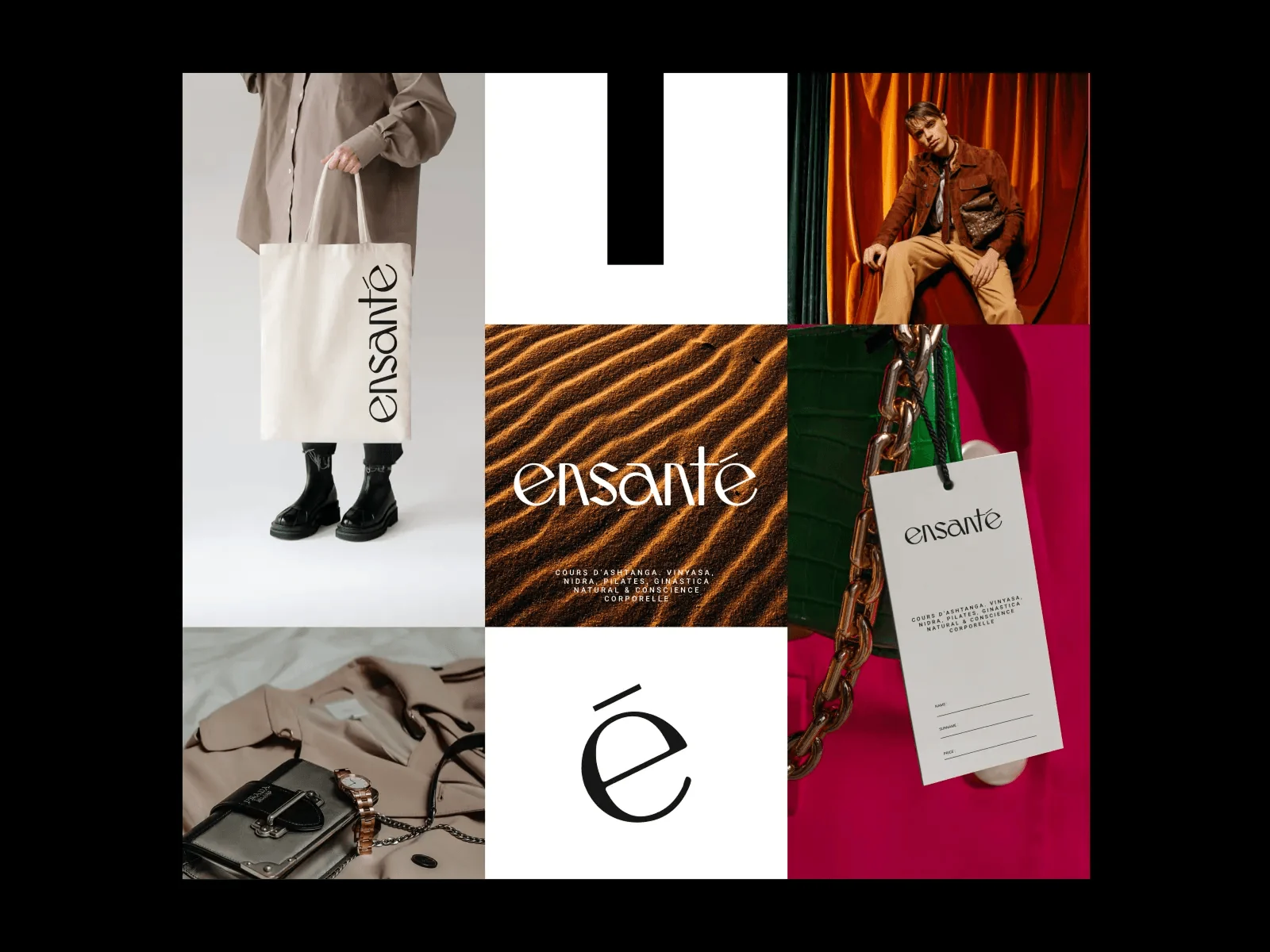
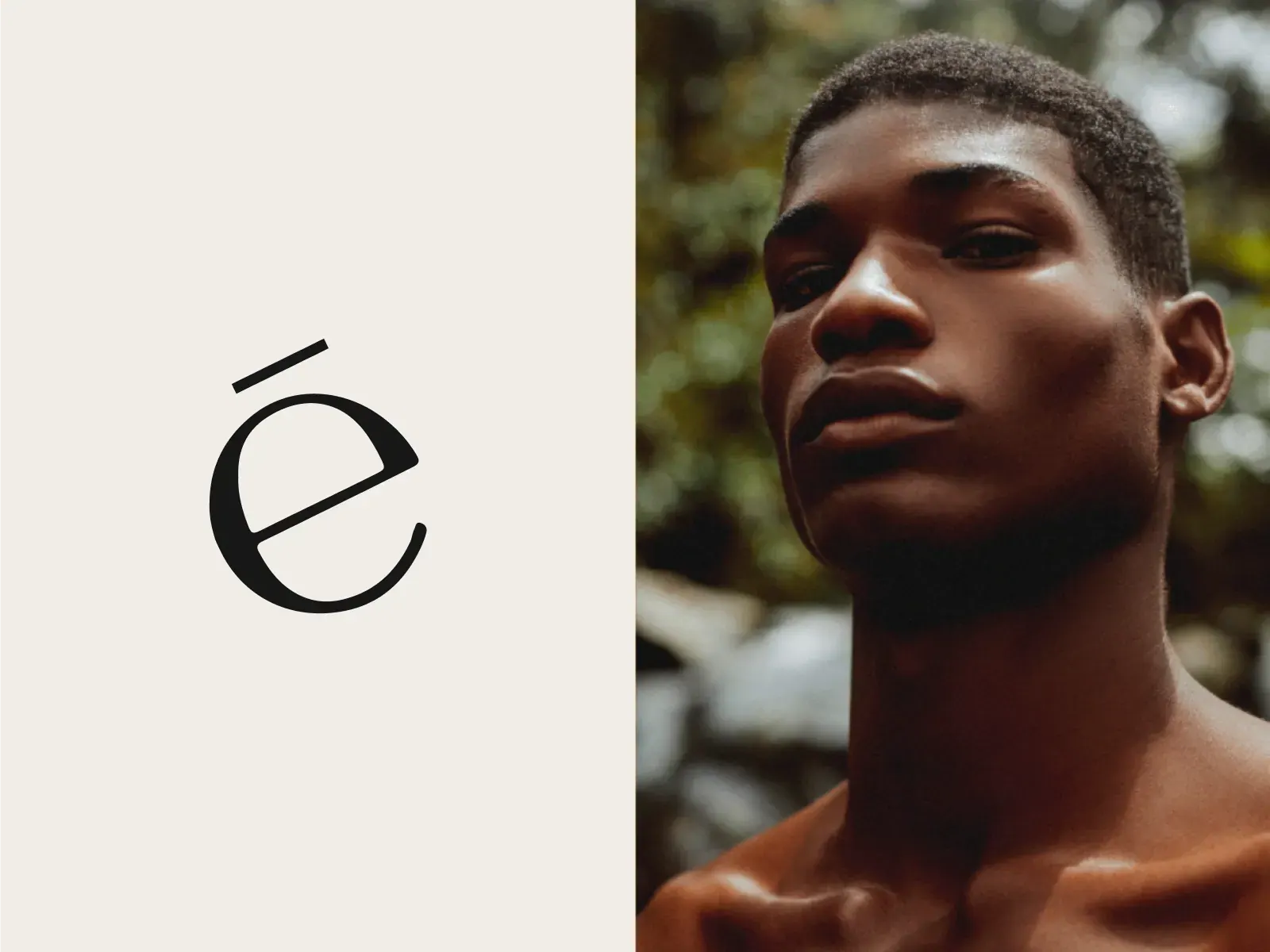
Ensante, for example, is a Los Angeles label that brings references from historical garments into contemporary clothing. That one sentence shaped everything: a refined, considered typographic voice with warm, earthy imagery.
Step 2: Choose a typographic voice
Most fashion brands are built on type. The wordmark is often the logo, and the typefaces in your lookbook and website do a lot of the brand's talking. Decide how you want to feel: classic serif, sharp grotesk, custom lettering or a mix.
For Ensante I developed a custom wordmark through a long exploration of letterforms and spacing, plus an é monogram for small labels. For Proportion, a spaced-out serif gave the brand a calm, editorial tone. Your type should still look right in ten years.
Step 3: Build a colour palette that survives seasons
Your collection colours will change, but your brand colours shouldn't. Pick a small core palette (often black, white and one or two signature tones) and keep seasonal colour in the product and campaign imagery. That way the brand stays recognisable while each season still feels fresh.
Step 4: Set your art direction rules
Photography sells fashion. Write simple rules for casting, light, location, framing, retouching and styling so every shoot, no matter who shoots it, looks like the brand. A strong art direction means customers can recognise your images in their feed before they see your name.
I go into how recognition works in Designing for Recognition, Not Decoration.
Step 5: Design labels, tags and packaging
Woven labels, care labels, hang tags, garment bags, tissue and boxes are where customers physically meet the brand. They're also some of the most photographed parts of an unboxing. I usually design these alongside the identity, not after, because they test the logo system at small sizes and in real materials.
Step 6: Create a lookbook template
A lookbook is your brand's magazine. Building a flexible layout system (grid, type styles, captions, cover format) lets you produce a new lookbook every season quickly without losing consistency. The same system works for line sheets and wholesale decks.
Step 7: Make e-commerce part of the brand
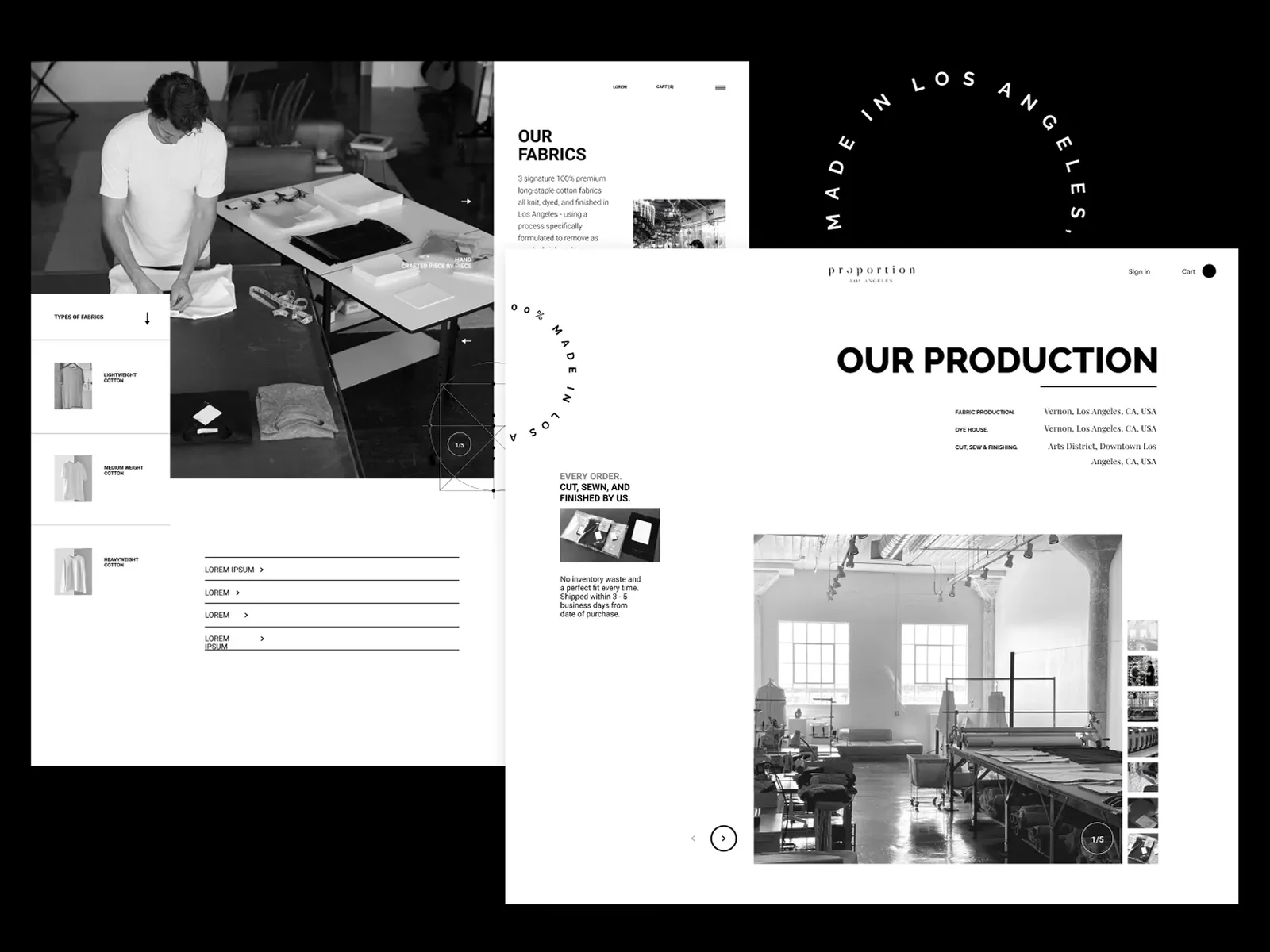
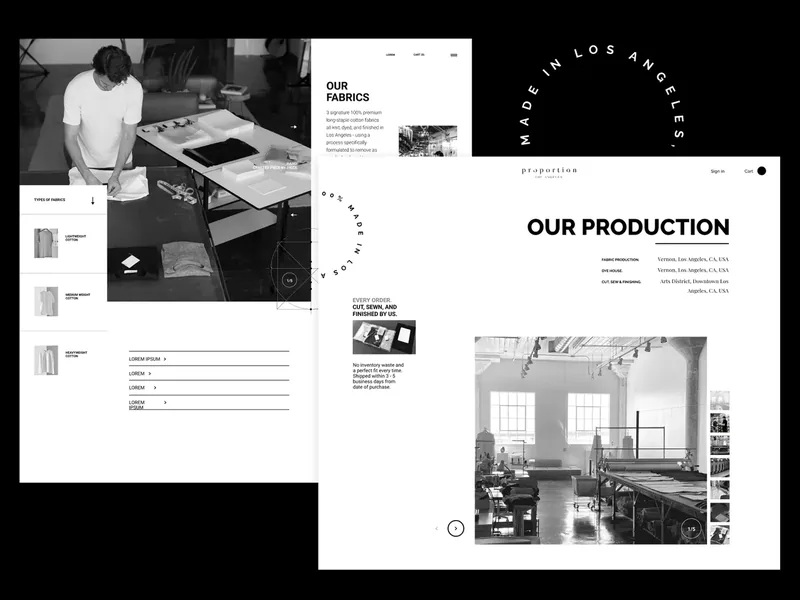
Your online store is often your most visited touchpoint. It should feel like the brand while staying fast and easy to shop. For Proportion, the site had to show premium cotton quality and make AI-powered fit guidance part of shopping, so the sizing flow was designed as part of the brand experience, not an add-on.
For Ensante's website, I kept the interface quiet so the collection photography could lead.
Step 8: Write a voice your whole team can use
Fashion brands speak through product names, descriptions, captions, emails and campaign lines. A short voice guide with a few words that describe how you sound, examples of do's and don'ts and sample product copy makes sure the brand sounds the same whether the founder, a copywriter or a social media manager is writing.
Proportion's voice is a good example: short, confident lines like “Exclusively men's T-shirts, everything but basic” explain the product and the attitude in one go.
Step 9: Design for wholesale as well as direct
If you plan to sell through stores, your brand needs to work beside other labels. Line sheets, wholesale decks, showroom displays and store packaging should use the same system as your direct channels. A brand that looks sharp on a crowded shop floor is a brand buyers want to stock.
Step 10: Document it in guidelines
Guidelines don't need to be a 100-page book. A clear document covering logo use, type, colour, art direction and voice is enough to keep designers, photographers and partners aligned. Read The Quiet Work Behind a Strong Brand System for a checklist.
Fashion branding examples from my work
- Ensante (Los Angeles): a refined custom wordmark and é monogram for a label that blends historical garments with contemporary design, applied to swing tags, tote bags, labels and a quiet editorial website.
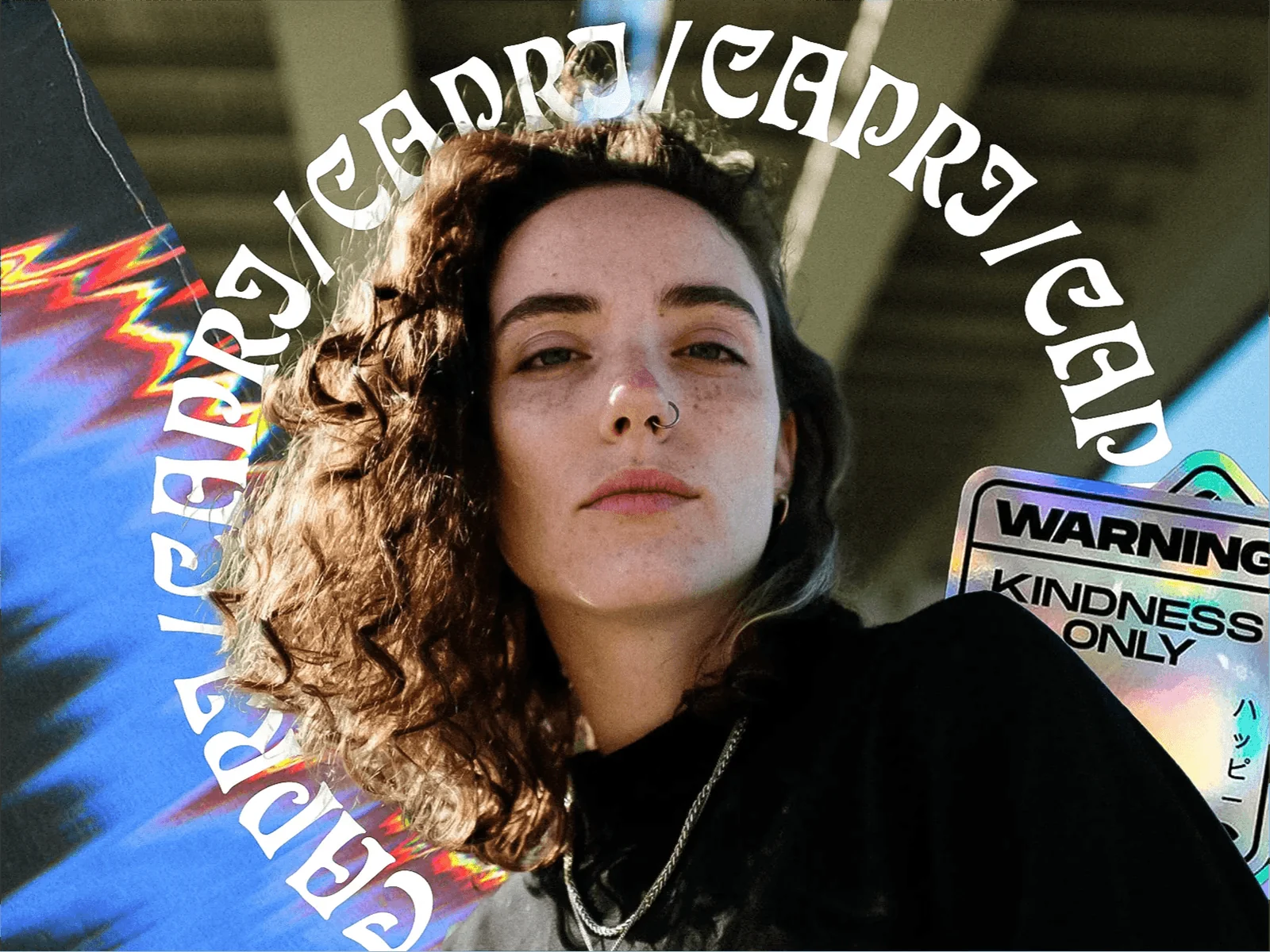
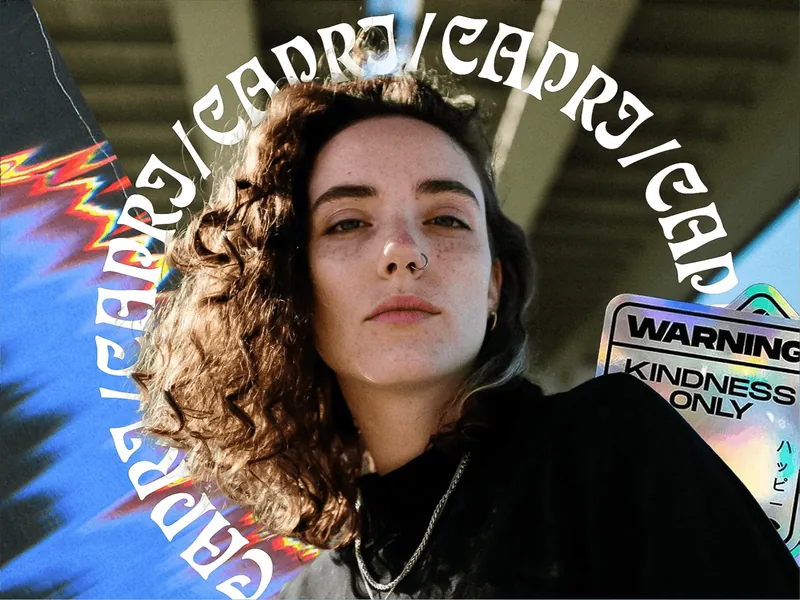
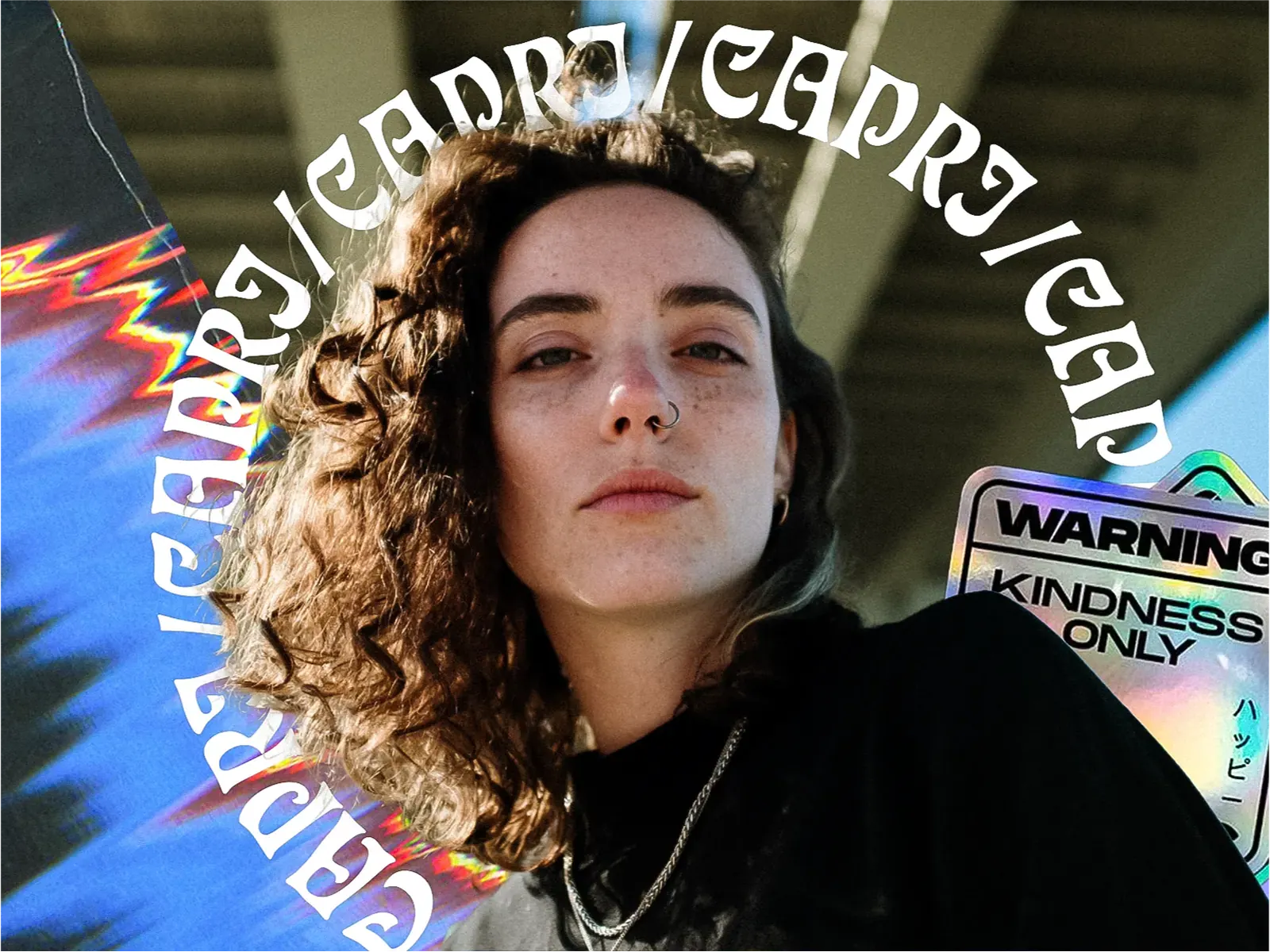
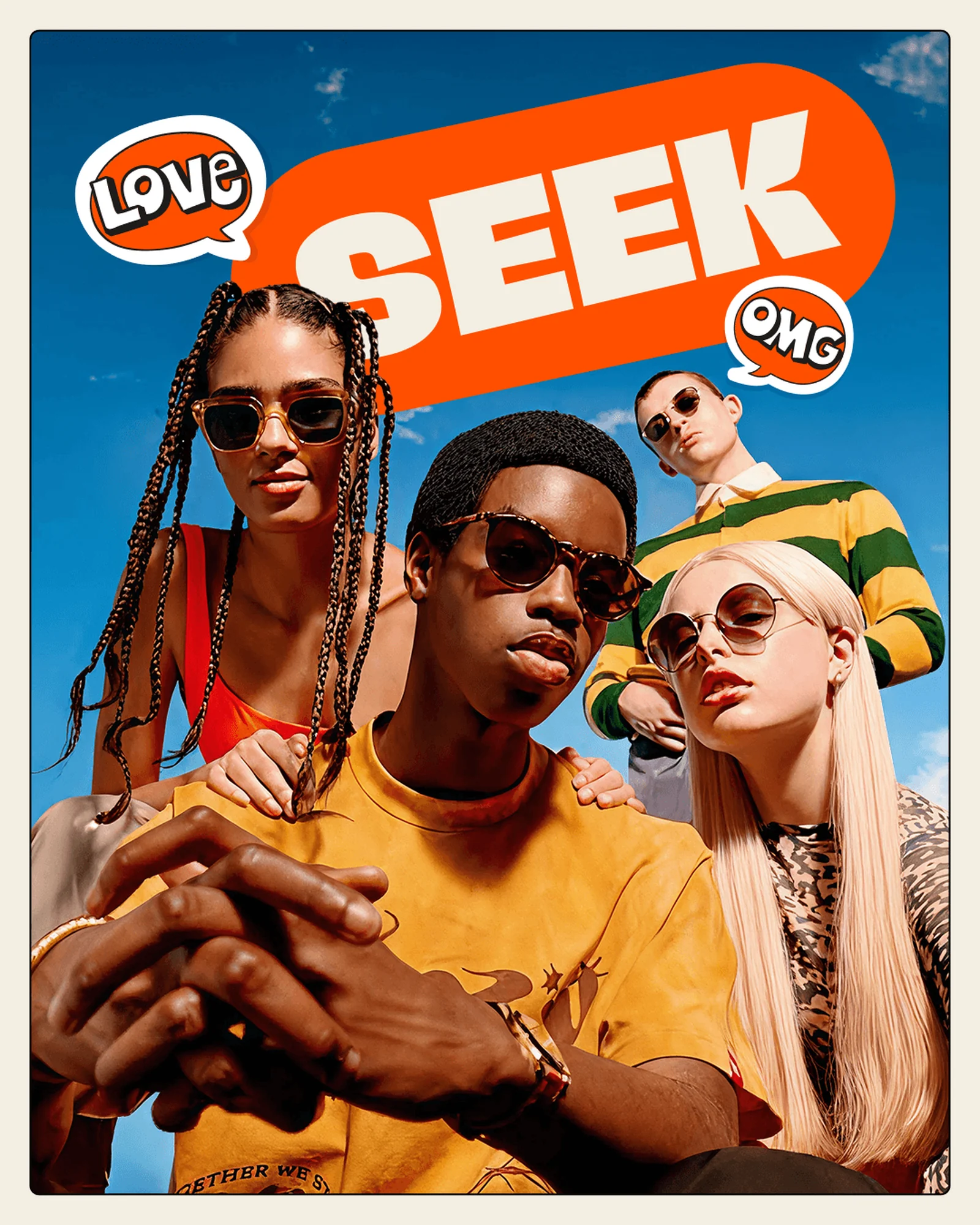
- Capri (Los Angeles): a loud, 80s-streetwear-inspired identity with a custom wordmark, C monogram and a circular type system that wraps around imagery, used on woven beanie labels, warning-sticker graphics and a mobile shopping app.
- Proportion: a calm, spaced-out serif identity and an e-commerce experience that makes AI-powered sizing part of the brand.
- Dima (Denver): a streetwear website with oversized overlapping type on a clean shopping structure.
Each one started with positioning, not a logo, which is why they look so different from each other.
Fashion branding mistakes to avoid
- Designing the logo first. Without positioning, you're just picking fonts you like.
- Following trends too closely. Trend-led identities look dated in two seasons.
- Inconsistent photography. Changing style every shoot makes the brand feel unstable.
- Forgetting small sizes. A logo that falls apart on a woven label isn't finished.
- A generic store. A template site with no art direction undoes good branding work.
Frequently asked questions
What's the difference between fashion branding and a logo?
A logo is one part of the brand. Fashion branding covers positioning, voice, type, colour, art direction and every touchpoint where people meet the label.
How much does a fashion brand identity cost?
It depends on scope, from a logo system to a full identity with packaging and a website. See How Much Does a Brand Identity Cost? for typical ranges.
Should a new label invest in branding before the first collection?
Yes. A clear identity makes the first collection, lookbook and store look intentional, and it saves you from a costly rebrand later.
How do I find the right designer?
Look for real fashion work in their portfolio and ask how they handle labels, packaging and e-commerce. My list of the best fashion branding agencies in New York compares several options.
Build your fashion brand identity with me
I design fashion brand identities, labels, lookbooks and online stores. See fashion brand identity for how I work, read How to Build a Clothing Brand Identity, or start with a free brand audit.

Rinor Rama — independent brand designer and creative director in New York with 13+ years of experience. Collaborations include Nike, Microsoft, Google, Brent Faiyaz and Don Toliver.Behance · Dribbble · LinkedIn
(Related work)
Seen in practice.

Tell me what you're building — I'd love to help.
Rinor RamaBrand designer & creative director
Contact