(In short)
- A good brief saves revisions and gets you an accurate quote
- Include the goal, audience, competitors, deliverables, budget and decision-makers
- Copy the free template below.
A good brief is the cheapest way to get better design. It saves rounds of revisions, gets you a more accurate quote, and tells the designer what success looks like before anyone opens a design file. Below is what to include, the mistakes I see most often, and a template you can copy.
What a design brief should include
- The business in one paragraph: what you do, for whom, and what is changing now.
- The goal: what the design has to achieve, such as a launch, a rebrand, a fundraise or a new market.
- The audience: who you need to convince, in order of importance.
- Competitors and references: three competitors, and three brands you admire with a note on why.
- Deliverables: what you need now and what comes later, such as a logo, guidelines, a website or packaging.
- Constraints: anything fixed, like a name, colours you must keep or technical limits.
- Budget range and timeline: a range is enough, and it helps the designer propose the right scope.
- Decision-makers: who gives feedback and who signs off.
Common briefing mistakes
- Describing the solution instead of the problem: "make it blue" instead of "we look too corporate"
- Leaving out the budget, which makes an accurate quote impossible
- Too many people giving feedback, with nobody making the final call
- References without reasons: "I like Nike" says less than "I like how Nike feels confident with very little".
A clear brief is also how you get an accurate quote. If you'd rather get an outside view before writing one, start with a free brand audit.
Free design brief template
Copy this into a document and fill it in.
Project name:
About the business:
What is changing now:
Goal of this project:
Primary audience:
Secondary audience:
Three competitors:
Three brands we admire, and why:
Deliverables needed now:
Deliverables needed later:
Elements we must keep:
Budget range:
Ideal launch date:
Who gives feedback, and who approves:
Copy template
What happens after you send a brief
A good designer comes back with questions, a proposed scope and a timeline. If someone quotes without asking anything, they probably haven't understood the project yet.
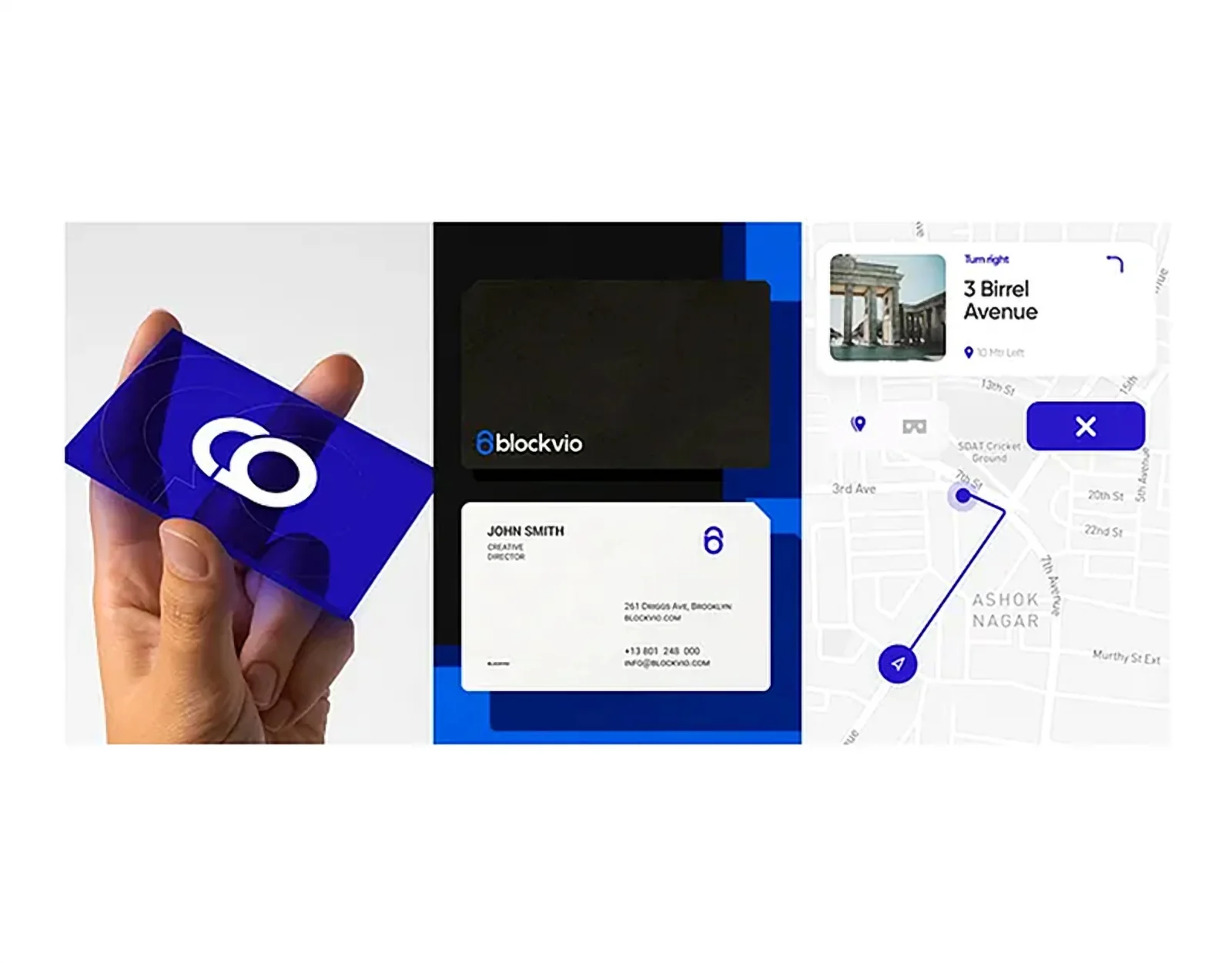
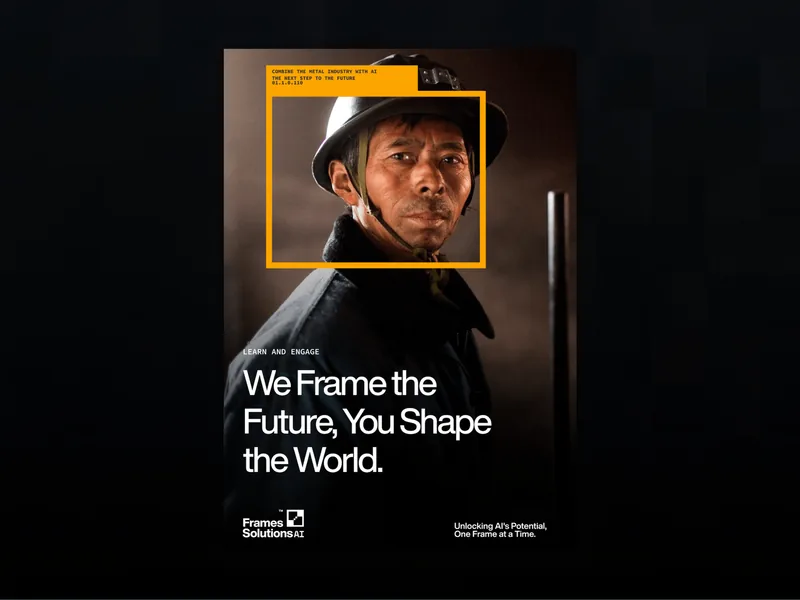
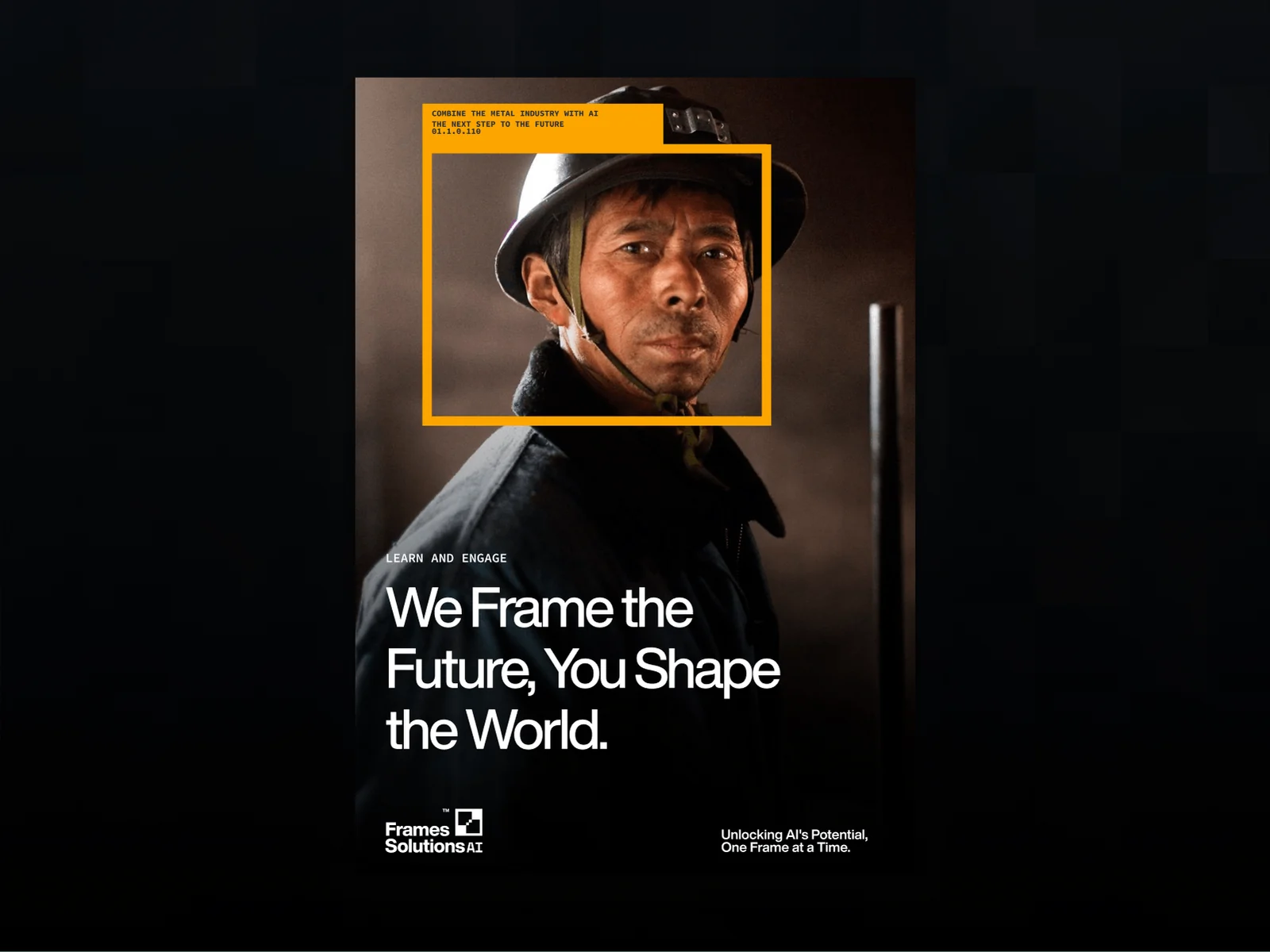
To see what comes out the other end, browse identity projects like Frames Solutions AI and Blockvio.
Frequently asked questions
How long should a design brief be?
One or two pages is plenty. Clear answers matter more than length.
Should I include my budget?
Yes. A range lets the designer propose the right scope instead of guessing.
What if I don't know what I need yet?
Say so. Describe the problem and the goal, and a good designer will help shape the scope.
Ready to start? Send me your brief through the project form.

Rinor Rama — independent brand designer and creative director in New York with 13+ years of experience. Collaborations include Nike, Microsoft, Google, Brent Faiyaz and Don Toliver.Behance · Dribbble · LinkedIn
(Related work)
Seen in practice.

Tell me what you're building — I'd love to help.
Rinor RamaBrand designer & creative director
Contact